
Description
Semaglutide targets one receptor. Tirzepatide targets two. Retatrutide targets three — and that additional receptor is where the real difference in weight loss potential lies. Developed by Eli Lilly and currently in Phase 3 clinical trials, retatrutide is the most advanced triple hormone receptor agonist in development, and the clinical data behind it is genuinely impressive.
The Triple Mechanism — Why the Third Receptor Changes Everything
Retatrutide simultaneously activates three distinct hormone receptors: GLP-1 (glucagon-like peptide-1), GIP (glucose-dependent insulinotropic polypeptide), and glucagon receptors.
GLP-1 and GIP are the targets of existing approved medications. They reduce appetite, slow gastric emptying, and improve insulin sensitivity — the mechanisms that make semaglutide and tirzepatide effective. Adding glucagon receptor agonism is what separates retatrutide from both. Glucagon receptors, found abundantly in the liver and adipose tissue, promote lipolysis — the breakdown of stored fat for energy — and increase energy expenditure through thermogenesis. This means retatrutide doesn’t just reduce how much you eat; it actively accelerates fat burning alongside appetite suppression. That combination is what the clinical trials reflect.
What the Phase 2 Data Shows
In a randomised, placebo-controlled Phase 2 trial published in the New England Journal of Medicine, participants receiving retatrutide achieved an average body weight reduction of 17.5% at 24 weeks and up to 24.2% at 48 weeks — among the highest weight loss outcomes recorded for any pharmacological intervention outside of bariatric surgery. Cardiometabolic improvements accompanied the weight loss: reductions in blood pressure, waist circumference, fasting glucose, HbA1c, and triglycerides. 72% of participants with prediabetes at baseline reverted to normal blood glucose by the end of the trial.
For context: semaglutide (Wegovy) produces average weight loss of around 15% at 68 weeks. Tirzepatide (Mounjaro) achieves approximately 20–22% at 72 weeks. Retatrutide reached 24% at 48 weeks — a shorter time frame.
Who Is Using Retatrutide
Retatrutide is currently investigational — it is not yet approved by the FDA or MHRA and is not available as a licensed pharmaceutical product. This is a research peptide formulation made available for those who want access to the compound ahead of regulatory approval. It is used by people who have followed the clinical trial data closely, understand what they are working with, and have decided the evidence is sufficient to pursue it.
Weekly Pen Injector — Subcutaneous, Once a Week
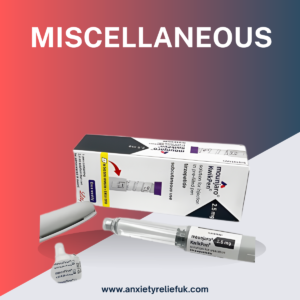
Administered subcutaneously — upper arm, thigh, or abdomen — once weekly using the pre-filled pen format. The extended half-life of approximately six days maintains consistent plasma levels between doses, matching the once-weekly convenience that has made semaglutide and tirzepatide practical for long-term use.
No Prescription. Worldwide Delivery.
Ordered directly, dispatched fast in completely plain unmarked packaging. No prescription required, tracked to your door anywhere in the world.
Retatrutide is an investigational compound not yet approved by the FDA or MHRA. It is sold as a research peptide, not a licensed medicine. The most commonly reported side effects in clinical trials were gastrointestinal — nausea, vomiting, diarrhoea — particularly at higher doses and during dose escalation. Long-term safety data is still being established through ongoing Phase 3 trials. Use with full awareness of its investigational status.

Reviews
There are no reviews yet.